What is NATA Accredited Calibration? – A Guide to the Basics

NATA Accredited calibration is a process that test facilities follow to ensure that equipment they use to test devices adhere to standards set by the network equipment industry. An independent third party verifies that the test equipment and test process adhere to industry standards and is used to make sure that test results are reproducible and valid.

A NATA Accredited calibration process follows set steps to ensure the calibration of test equipment and test procedures adhere to established industry standards. It’s essential that test facilities understand the NATA Accreditation process and its importance in device testing. This article will give you a brief overview of the NATA Accredited calibration process, as well as some of the common benefits of having your calibration process verified by NATA.

What is NATA Accredited Calibration?

NATA Accredited calibration is a process that test facilities use to ensure the equipment they use for device testing meets industry standards. It’s important for test facilities to understand the requirements and benefits of NATA Accredited Calibration because it can help maintain the integrity of your device testing. NATA Accreditation is required by many manufacturers to verify that their devices adhere to industry standards set by the network equipment industry.

Additionally, some companies may require or request NATA Accreditation as part of their quality control process. Since NATA Accredited calibration processes follow set steps to ensure calibration procedures adhere to established industry standards, it’s crucial that test facilities understand its importance in device testing. This article will provide you with a brief overview of what NATA Accredited Calibration is and explain how it can benefit your business.

Benefits of Having Your Calibration Process Verified

NATA Accredited calibration provides an independent third party verification of a calibration’s validity and accuracy. This type of verification protects manufacturers from the costs of having to recall or re-test devices due to inaccurate test results. There are three benefits of having your calibration process verified by NATA: 1. Validation 2. Verification 3. Reduced Risk 1. Validation: One benefit of having your calibration process verified by NATA is validation, which means it will be easier for manufacturers to see if their device’s results are in line with industry standards or not.

With validation, you can be sure that your device is within the parameters set by its manufacturer and that it will pass any required tests with flying colors! 2. Verification: Another benefit of having your calibration process verified is verification- which means you’ll have a thorough understanding of how much risk there is around your test results before they’re published on the market by verifying the compliance protocols for a particular product or service. With this information, you can determine whether or not it’s worth continuing with that product or service at all or whether it’s better to switch over to another device altogether before it becomes too costly!

NATA Accredited Calibration

Steps of a NATA Accredited Calibration

The five steps of a NATA Accredited calibration process are: 1. Setup 2. Calibration 3. Collection and Analysis 4. Verification and Validation 5. Release of Test Results NATA Accredited calibration is an important part of the device testing process because it ensures the test equipment and procedures adhere to the standards set by the network equipment industry.

 There are many benefits to having your calibration verified by a third party, including: – Having a third party verify that your calibration process is reproducible, valid, and adheres to established industry standards – Having your results certified so you have certainty about their accuracy – Ensuring only appropriate measurements are taken for each test in order to obtain relevant data.

How to Get Your Calibration Process Verified?

First, contact the NATA Accreditation program to find a test facility near you. Be sure to provide the following information: -The type of device that will be calibrated -A list of equipment needed for the calibration process -Location and date of calibration -An estimate on how many devices will be tested during the calibration process NATA Accredited Calibration is a system in which an independent third party verifies test procedures and equipment used by facilities to ensure they adhere to industry standards. It’s imperative that companies understand the importance of having their calibration processes verified by NATA before they use them.

Conclusion

NATA Accredited Calibration is a process that ensures that your lab equipment is in working order. If your calibration process was not verified by a NATA accredited laboratory, your data could be in jeopardy of being lost. Before you invest in a NATA accredited laboratory, you need to be sure that it will make your data available to you in case of an audit.

Source : https://appliedmeasuremel.blogspot.com/2022/05/what-is-nata-accredited-calibration.html

How To Use A Digital Inclinometer To Stay Safe In The Great Outdoors?

When you’re adventuring outdoors, there are always risks involved–even if you’re just going for a walk in your neighbourhood. One of the best ways to mitigate these risks is to be prepared, and that includes having the right tools on hand. Today, we’re going to talk about how to use a digital inclinometer. This handy little device can help you stay safe while exploring the great outdoors!

What is an inclinometer?

An inclinometer is a device used to measure the angle of slope or tilt. In other words, it tells you how “uphill” or “downhill” you are travelling. This information can be helpful when hiking or skiing, as it can help you stay safe in steep terrain. It also have a “level” function, which allows you to ensure that your device is reading accurately.

How does an inclinometer work?

An inclinometer is a handy tool used to measure angles. It is made up of two perpendicular arms and a calibrated scale. When the object to be measured is placed between the two arms, the scale will indicate the angle in degrees.

Most inclinometers also have a built-in protractor function, which can be used to measure other angles in addition to vertical angles. Digital inclinometers are preferred because they are easier to read and give more precise readings than analogue inclinometers.

digital inclinometer

What are the benefits of using a digital inclinometer?

A digital inclinometer is a great tool in your outdoor gear arsenal. They’re can be used for a variety of activities like camping, hiking, biking and climbing. Here are some of the benefits of using a digital inclinometer:

-They’re compact and easy to carry around

-They measure slope angles accurately

-They can be set to warn you when you reach a dangerous slope angle

-They have a backlight for easy reading in low light conditions

How to use a digital inclinometer?

A digital inclinometer is a great tool to have in your outdoor arsenal. It’s perfect for measuring slope angles, checking the stability of slopes before you hike or climb them, and even for creating maps. Here’s how to use one:

-Choose the unit of measurement you want to use (degrees, percent, or metres).

-Line the inclinometer up with the slope you want to measure.

-Make sure the device is level, then read the angle value on the display.

-Record your findings, then repeat as necessary. Remember to use caution when traversing any slope, no matter how slight—better safe than sorry!

Safety tips for using a digital inclinometer

When using a digital inclinometer, be sure to follow these safety tips:

-Always be aware of your surroundings and what is happening around you.

-Be mindful of where the device is pointing and who or what is in the line of fire.

-Never use the device when you are distracted or in a rush.

-Calibrate the device before and after each use.

-Ensure that the sensor is clean and clear of obstructions before taking a measurement.

-Store the device in a safe place when not in use.

Conclusion:

A digital inclinometer is an essential tool for hikers, backpackers, and other outdoor enthusiasts. By using a digital inclinometer, you can ensure that you’re always aware of your surroundings and maintain your safety while outdoors.

Source : https://appliedmeasuremel.blogspot.com/2022/04/how-to-use-digital-inclinometer-to-stay.html

Reasons Why Temperature Monitoring Is Important In The Food Industry

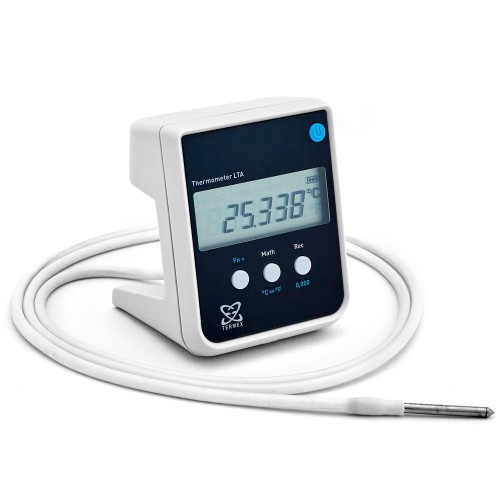
temperature monitoring

PrivacyPrivacy Facebook Twitter Linkedin Reddit Word to Clean HTML ConverterWord Editor HTML Undo New page indentation compress encoding option ico option2 option3 option4 option5 option6 option7 option8Clean –

Food producers can often try to save costs by using less expensive ingredients, but this does not always mean that the product is of the best quality. A perfect example is when food left out for too long begins to go bad and produce metabolites. Now there are ways in which food producers can monitor their products as early as possible so that they avoid costly disasters and better place their guidance on how long they need to keep products cold or hot.

  • Reasons why temperature monitoring is important

Food quality can be hurt and costs rise when food becomes spoiled. Temperature monitoring is important because it can insure that the product will stay healthy while keeping production running smoothly. Temperature monitoring systems are useful in many settings, including warehouses, breweries and coffee roasters.

  1. Steady Temperatures: Reports and reviews on different temperature monitoring systems. Know what police officers, city administrators, healthcare workers, food service managers and manufacturing staff need to protect their valuable food sources.
  2. Stabilized Preservation of Ingredients: Certain ingredients will work best at certain temperatures without having to be cooked or frozen first. For example in beer cans and bottle caps, certain canning chemicals will begin eating away at the metal if the metal is too warm.
  3. Productivity Boosts Associated with  Trapping Heat/UV Beatices: Commercial kitchen equipment needs regular maintenance as vigorous activity will eventually cause frictional heating of some parts of your equipment resulting to lagging from stalled machinery.
  • Can you generalise the information gained from data?

Sensors give companies the information they need to make adjustments. The information makes it easier for a company to accomplish inventory management and workplace safety tasks. Temperature monitoring also helps a company by helping it reduce costs when necessary. It can also improve the quality of food that is processed or created.

  • What are some benefits of using best practices in food industry?

Food contact materials are a huge part of most businesses and are major contributors to food safety. This means that certain best practices should be followed to keep the people working in these facilities safe from various medical complications, legal repercussions, and both short-term physical and mental symptoms. Temperature monitoring is vital information that companies need to be aware of.

Conclusion

Temperature monitoring is a vital part of the food manufacturing industry. This allows for continuous and steady results, which increase productivity and yield. Orders can be tracked to ensure that ovens aren’t overheating or being used too quickly.

Temperature monitoring is extremely important in the food industry. The main objective of managing and controlling temperature is to maintain quality, protect the health of consumers, and prevent unacceptable losses to the business and store owner. A large part of temperature management is detecting potential issues early on before they occur. This can be done by:

– Making sure raw product has not been exposed at any point in the past.

– Checking types of items that are handled frequently and regularly for changes.

– Monitoring for both a higher than normal and lower than usual temperature.

Source : https://appliedmeasuremel.blogspot.com/2022/04/reasons-why-temperature-monitoring-is.html