The Facts On Data Logger That Only A Few People Know

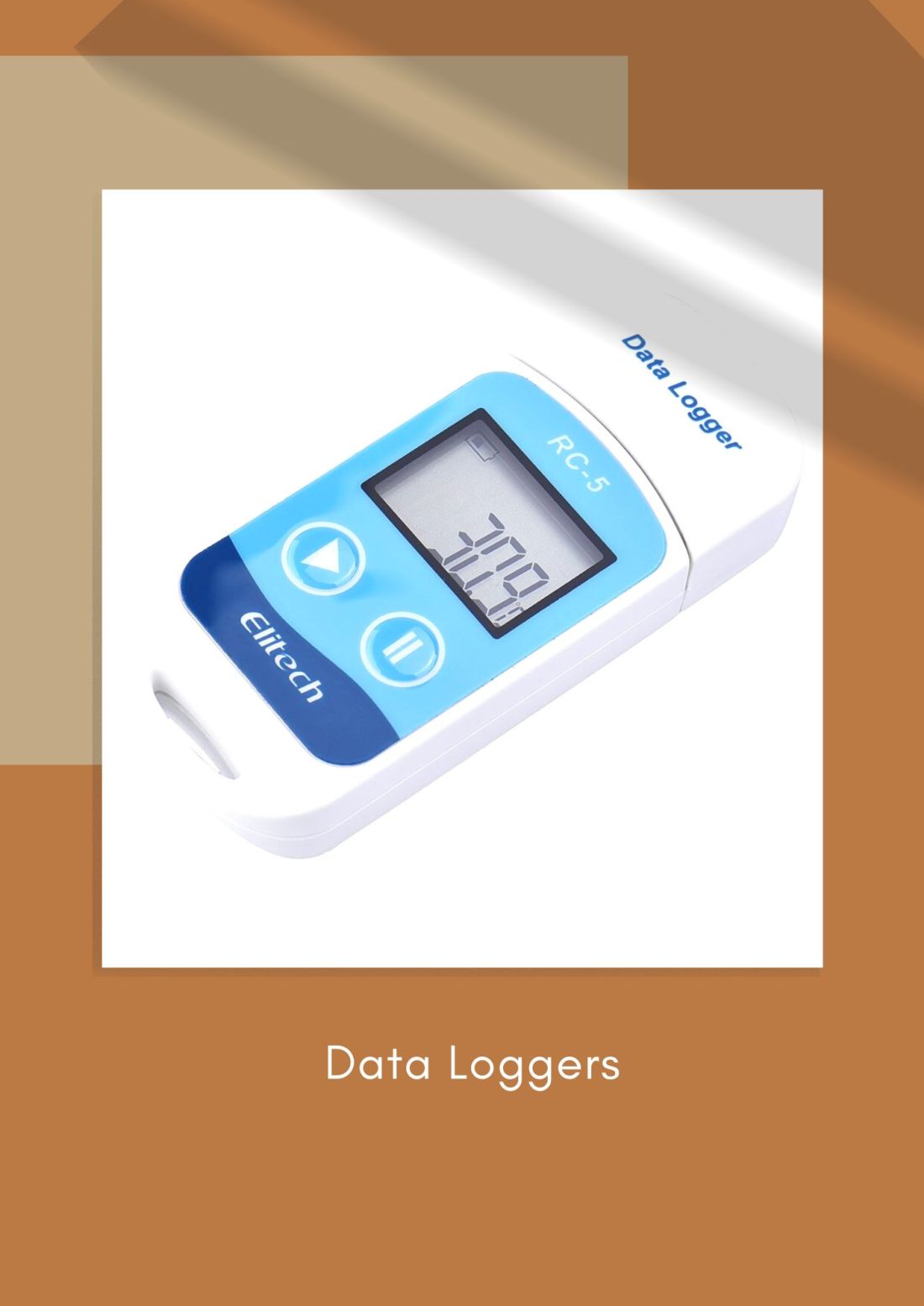
Data loggers are simple devices that collect data, usually over long periods of time. Data can include anything from temperature to barometric pressure to light levels. Many industries use data loggers, including science, manufacturing and even agriculture.

It’s also possible to rent or lease data loggers.

While it’s more common for people to buy temperature data logger, there are some advantages to renting or leasing one. For example, you can rent or lease a data logger for a specific time period and only pay for what you need.

 If you don’t want to spend hundreds or thousands of dollars on a permanent fixture in your home or office that might not be used again, this is an option worth considering. You may also want to rent or lease a data logger if you only need it once in a while. For example, if your business is having an event and wants to make sure everyone has enough drinks available at all times, leasing might be your best bet.

You have short-term projects that need tracking (like building construction projects) where even if the project ends before the contract does (e.g., six months), it still makes sense because there wouldn’t be any benefit in owning the device after those six months anyway.

Your company needs one but isn’t sure how well it will work yet; therefore having access without having invested anything upfront would make sense since its effect on overall production output won’t be known until after initial usage has taken place.

A data logger is a sort of monitoring device.

A data logger is a kind of monitoring device. It records data over time and can be used to measure temperature, humidity, pressure and other parameters in the workplace. Data loggers can also be used to monitor specific machinery or equipment such as centrifuges, conveyor belts and turbines.

Data loggers are commonly found in industries including healthcare, manufacturing and energy production where they may record information such as patient vital signs or gas emissions from electrical power plants.

buy temperature data logger

Data loggers come in a variety of styles and types. The most common type is the “wired” data logger, which has a cable connecting it to a computer or other data recording device. These are often used for one-time measurements such as those made by an air quality sensor installed in a hospital room where patients with respiratory issues are being treated.

Data Logger devices are available in a number of different form factors.

Data loggers come in a number of different form factors. They can be small enough to fit inside of your pocket, or they can be large enough to fill up an entire room. Some data loggers are connected to the internet and some aren’t.

You may have heard that data logger devices are used for industrial purposes (like monitoring factory floors), but it’s important to know that these devices are also commonly found at home. For example, there are many people who use data logger devices as part of their home security systems by installing them on their doors, windows, or safes.

There are many different types of data loggers, but all of them have one thing in common: they record data over time. Some devices record data about temperature and humidity levels, while others can track the activity of household appliances (like ovens).

Conclusion

The bottom line is that data loggers are an excellent way to monitor your business or organization. With a device like this, you can keep track of what’s going on inside your building and make sure that everything is running smoothly. And because there are so many different options available, it should be easy to find one that fits your needs perfectly!
The Importance of NATA Accredited Calibration for Your Business

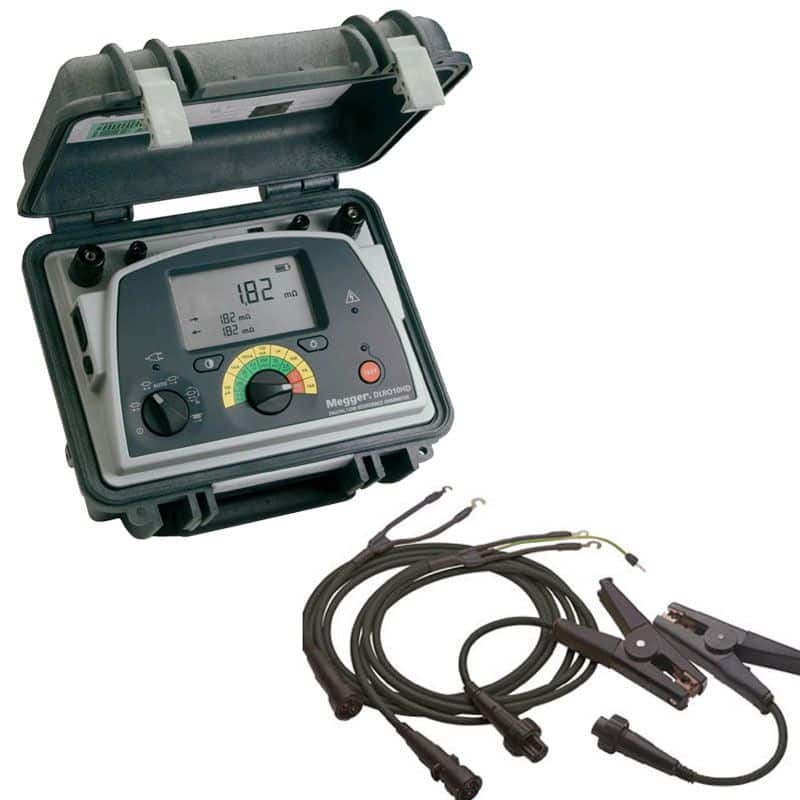
If your business relies on measurements and testing, then you know how important it is to have accurate results. That’s why calibration is so important. NATA Accredited Calibration ensures that your measuring devices are providing accurate results. However, not all calibration services are created equal. That’s why you should only use NATA accredited calibration services.

What Is NATA Accreditation?

NATA stands for the National Association of Testing Authorities. To be NATA accredited, a calibration service must meet strict technical competence requirements. This means that you can be confident that a NATA accredited calibration service will provide accurate results.

Why Is NATA Accreditation Important?

When you use a NATA accredited provider, you can be confident that you’re getting the best possible service. NATA accreditation is your assurance that a provider has met the highest standards of quality and competence.

NATA accreditation is important because it assures the public that an Athletic Training (AT) program meets or exceeds those standards set forth by the profession’s nationally recognized governing body.

AT programs that are accredited have under gone a rigorous self-study and site visit process to ensure that their curriculum, faculty, facilities, and resources meet or exceed the high standards required for accreditation.

NATA Accredited Calibration

In addition, nationally certified athletic trainers (ATC) are required to graduate from an accredited AT program in order to sit for the Board of Certification, Inc. (BOC) examinations. The BOC credential is required in order to practice as an athletic trainer.

Finally, many employers prefer to hire ATCs who have graduated from an accredited AT program. NATA accreditation provides a higher educational standard for the profession of athletic training and helps protect the public by ensuring that individuals who graduate from an AT program have met certain minimum requirements set forth by the profession.

How Does Test and Measurement Measure Up?

Test and measurement is a critical part of any scientific Endeavor. Without NATA Accredited Calibration data, it would be impossible to understand the natural world or to develop new technologies. In many cases, test and measurement is the only way to obtain objective information about the world around us. As such, it is essential to ensure that measurement tools are as accurate as possible. Unfortunately, no measurement tool is perfect, and all have some degree of error. The challenge for scientists is to choose the right tool for the job and to understand the limitations of that tool. With that knowledge, they can compensate for errors and produce accurate results. In this way, test and measurement plays a vital role in scientific research and discovery.

Conclusion:

Choosing a calibration provider can be difficult. With so many options, it’s hard to know who to trust. That’s why working with a NATA accredited laboratory is the best choice for your business. NATA accreditation services are of the highest quality and that we have the expertise to service your specific needs.

Why Wireless Temperature Monitoring Systems are Beneficial in Healthcare Systems?

Wireless Temperature Monitoring systems are used in healthcare facilities to ensure that the temperature is kept constant, and they are also used to help meet regulatory standards.

They allow you to monitor temperature from a distance, so you can see if there are problems before they escalate into something more serious.

Wireless temperature monitoring systems have proved themselves over time because they are durable and reliable, which means that even if something does go wrong with one of these sensors or transmitters, it won’t cause any problems for other components in the system.

Proven Track Record and Vast Experience

It is important to note that wireless temperature monitoring systems have been used in the healthcare industry for more than a decade now, and their reliability and durability have proved to be vital assets for hospitals.

Indeed, wireless temperature monitoring systems are so cost-effective that they can be considered an essential part of any hospital setting.

Compliance with the Set Standards

If a temperature monitoring system is to be compliant with the set standards, it should be able to meet all of the requirements. These requirements may vary from one country or state to another, depending on what the standard is for that particular place.

The best way of ensuring that your temperature monitoring system meets all the required standards is by using a device that has been tested and approved by an accredited laboratory.

This ensures that it meets these requirements and also guarantees its effectiveness when used in healthcare facilities. If you have any questions regarding this topic or would like advice on choosing an appropriate device for your hospital or clinic, please contact experts today!

Temperature Monitoring

Durable and Reliable Systems

If you’re looking for a wireless temperature monitoring system for your hospital or medical facility, you’ll want to find a durable and reliable one that will last.

Temperature monitoring systems are incredibly important in healthcare settings, as they can help prevent disease outbreaks.

If the temperature monitors are not working properly or break down after only one use, then patients’ health and safety could be at risk.

A good temperature monitoring system should be able to withstand the pressures of daily use without breaking down too quickly. This means that it must be made out of high-quality materials and have strong internal components that won’t break easily due to wear-and-tear over time.

In addition, a good temperature monitoring system should be easy to use and reliable. It should have an intuitive interface that allows users to easily monitor temperatures without having any prior training or experience with the product.

Conclusion

In conclusion, it is safe to say that wireless temperature monitoring systems are an excellent way for healthcare providers to ensure the safety and well-being of their patients.

The systems are cost-effective and easy to install, while their accuracy makes them highly reliable.

Best Wheel Measurement – Applied Measurement

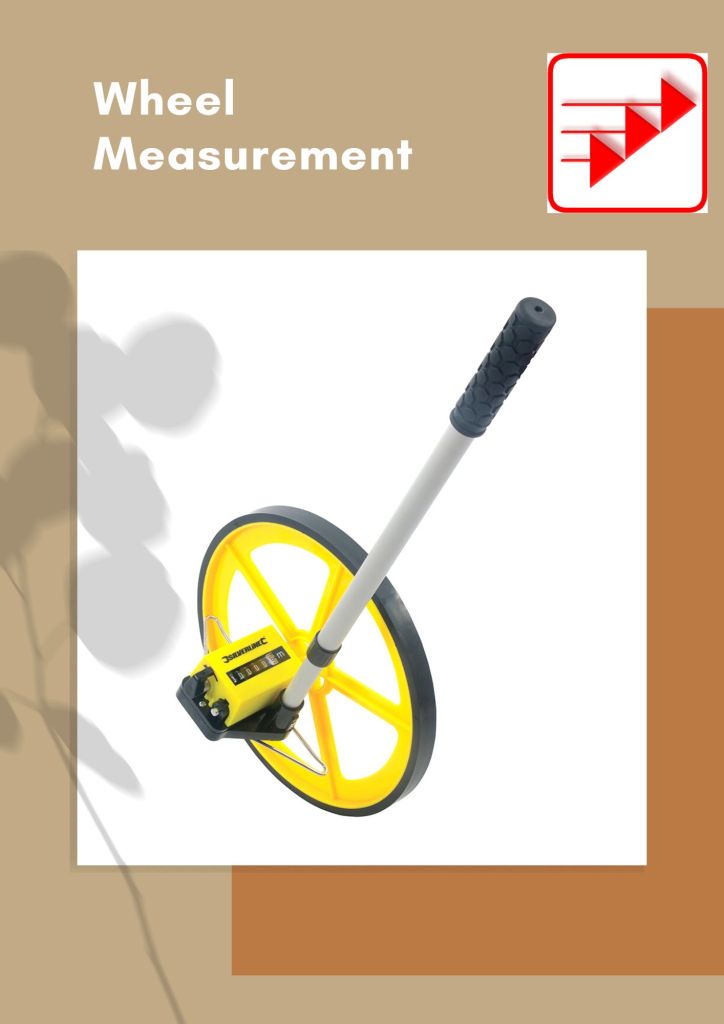
If you’re looking for an accurate way to measure things, you need Applied Measurement. We offer best wheel measurement services that are second to none. We use the latest technology to make sure that we get the most accurate measurements possible. And our team of experts are always available to help you out if you need it. So if you’re looking for a reliable and accurate way to measure things, look no further than Applied Measurement!

Wheel Measurements

If you’re looking for an accurate way to measure things, you need Applied Measurement. We offer wheel measurements services that are second to none. We use the latest technology to make sure that we get the most accurate measurements possible. And our team of experts are always available to help you out if you need it. So if you’re looking for a reliable and accurate way to measure things, look no further than Applied Measurement!

Data Loggers

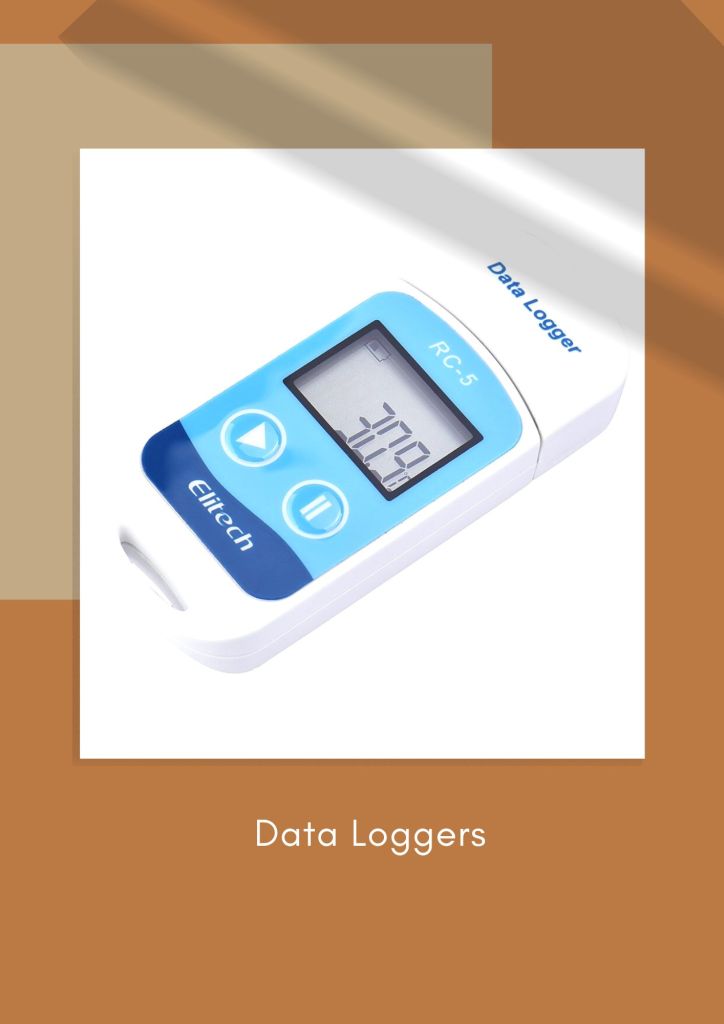
Are you looking for an accurate and reliable data loggers? Look no further than the Applied Measurement data loggers. This device is perfect for those who need to collect accurate data over a long period of time. The Applied Measurement data loggers is a compact and easy-to-use device that can record up data. It has a large memory capacity, so you can store even million readings. The data loggers also has a real-time clock, so you can timestamp your data.

Flow Meter Installation Tips To Maximize Efficiency

Flow water meter measure the volume of water that flows through a pipe, while water meters measure how much water has been used in a specific time period. But what if you have questions about your installation? 

Here are some tips on how to maximize the efficiency of your flow meter installation!

Clean the installation location

Cleaning the installation location of Flow water meter is important to ensure that you have a clean, professional appearance. Use a power washer or other appropriate tool to clean the area thoroughly. If you need to remove any dirt from deeper within the pipe, use a vacuum or degreaser instead of water pressure.

Use high-quality tape to mask the area

When installing a water flow meter, it is important to use high-quality tape to mask the area. 

This will help to maximize the efficiency of the installation and ensure that the meter is properly sealed. There are a variety of tapes available on the market, so it is important to select one that is specifically designed for water applications. 

The tape should be able to withstand high temperatures and pressures, as well as be resistant to UV light and chemicals. Once the tape has been applied, it is important to check for leaks and make sure that the connection is secure.

Flow meter water
Flow water meter

Don’t over-tighten bolts; torque to specifications

  • Don’t over-tighten the bolts. Over-tightening can cause damage to the pipe, fittings and/or meter itself.
  • Use a torque wrench or breaker bar to tighten each bolt to specifications. A good rule of thumb is to use one-third more than what you would typically use for an average fastener; this will give you room for error if something goes wrong during installation (like hitting a rock).
  • Use caution when using power tools such as drills or hammers—these tools can easily damage internal components if used incorrectly!

Use the right size bolt and thread it into a blind hole

When drilling a hole, use the right size bolt and thread it into a blind hole.

  • If your meter is a “blind” type, you will need to drill with a 1/2″ or 3/4″ bit for best results.
  • Make sure that your thread depth is at least 0.25 inches so that there are no gaps or burrs on the inner surfaces of your pipes when they are installed in place later on during installation work.
  • You can use different types of threads based on what kind of pipe you have but keep in mind that each one has its own pros and cons, so make sure whatever method we recommend here applies best for all situations before proceeding any further along this path!

Conclusion

Flow water meter are a necessity for any home or business. They help you keep track of how much water is being used, and they also serve as a valuable source of information about your overall infrastructure. The meter installation process can be tricky, but if you follow these tips from our guide above it will go smoothly!

Wheel Measurement: A Comprehensive Guide

When it comes to measuring wheel, there are a lot of options out there. But just because you have a choice doesn’t mean you have to be overwhelmed when trying to find the right one! 

In this guide we’ll explain everything you need to know about measuring wheels and how this information can help you choose the best set for your vehicle and type of riding.

Backspacing is the distance from the back of the wheel to the mounting plane. This measurement can range from 0.5 in (13 mm) to 1.5 in (38 mm), depending on the vehicle’s application and style. A wider track gives a more stable feel for traveling down roads with bumps, curbs or potholes; however, tires that are too wide may rub against suspension components as well as other parts on your vehicle.

The overall height of a car’s wheels determines its size and appearance when viewed from above or below it while driving down roads with beautiful scenery such as mountains or beaches nearby!

Wheel measurement is the process of evaluating a car’s wheel diameter, width and backspace. Backspace: The distance from the back of the wheel to the mounting plane. This measurement can range from 0.5 in (13 mm) to 1.5 in (38 mm), depending on the vehicle’s application and style.

Backspace is the distance from the back of the wheel to the mounting plane

The backspace is the measurement from the center of a wheel to its mounting plane. It’s usually measured in inches or millimeters.

The backspace (or offset) on a wheel refers to how far forward or backward the wheel sits in relation to your car’s fender, which gives you an idea of how close it sits to your vehicle’s body. A higher number means more room between the rim and fender; conversely, lower numbers mean less space and closer fitment.

wheel measurement
measuring wheel

Diameter is the overall height of a car’s wheels

Diameter is the overall height of a car’s wheels. It’s measured in inches, and is the most important measurement when selecting new wheels.

Diameter is also the most common measurement used in the industry. Diameter is the distance from the center of the wheel to the mounting plane. A wheel with a diameter of 18 inches will be taller than a wheel with a diameter of 16 inches.

Width is the distance between a car’s inside flanges, measured in millimeters

  • Width is the distance between a car’s inside flanges, measured in millimeters.
  • It is measured from the center of one wheel to the center of the other.
  • It is measured on the inside of the wheel.
  • It is measured on both sides of the wheel.

One of the best ways to simply this process is to look up your factory tire size. This can be found on the sidewall of your current tires, as well as on the manufacturer’s website. If you cannot find it there, then a third option would be to compare it to other tires in your vehicle and use those numbers instead.

If you do not have any existing tires, but still want a set that fits perfectly on your vehicle, talk with a mechanic or call a local tire shop for assistance in finding out what size will work best for you!

You can also measure your wheels with thread tape and a ruler

It is also possible to measure your wheels with thread tape and a ruler.

  • Measure the backspace of your wheel by wrapping the thread tape around the rear of your vehicle, with the end point being directly behind where you would mount the brake caliper on the axle.
  • Use a metric scale ruler to determine how wide each individual tire’s tread is, which should be stamped into its sidewall somewhere between tread pattern and shoulder height on both sides of each tire. Be sure to record all four measurements so that you can compare them later when shopping for new tires.
  • Finally, determine what type of rim you have by looking at its outer edge: if it has a flat-topped profile without grooves or ridges then it’s likely an aluminum alloy; if instead it tapers inward toward its center (and has grooves), then it’s probably steel or titanium alloy; finally if it looks like two cones placed together in opposite directions (with grooves) then this indicates an aluminum over steel combination (or possibly just one cone).

Conclusion

There you go! Now you can measure your wheels with confidence and know exactly what size tire you need. If you have any questions about measuring wheel or want more information comment us below.

Flow Meter Water – Applied Measurement

flow meter water

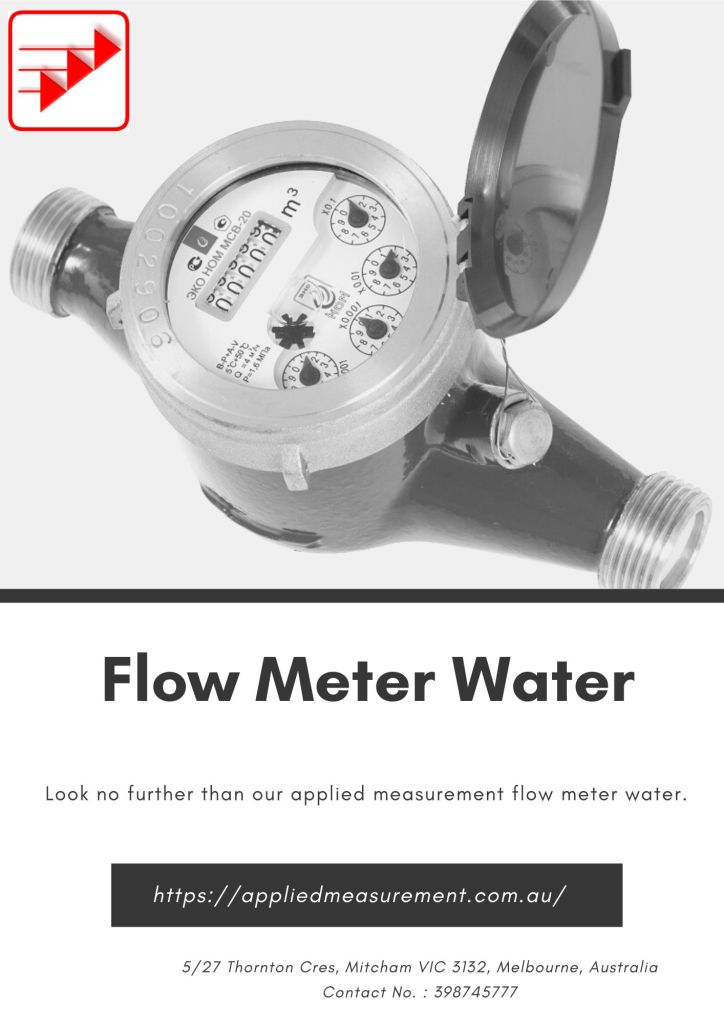
Looking for a reliable way to measure water flow? Look no further than our applied measurement flow meter water. Made with precision in mind, our meters are guaranteed to give you accurate readings every time. Whether you need to measure for irrigation purposes or simply want to keep tabs on your water consumption, our meters will do the job perfectly. Plus, they’re easy to install and use, so you’ll be up and running in no time. Don’t take our word for it though – try one out for yourself and see!

Data Loggers – Applied Measurement

Looking for an easy and reliable way to monitor your data? Look no further than the data loggers by Applied Measurement Australia Pty. Ltd. Whether you need to track temperature, humidity, strain or any other kind of data, the data logger is up to the task. And if you need to access your data remotely, the data logger can be equipped with wireless connectivity for easy accessibility. So if you need a reliable and user-friendly solution for monitoring your data, don’t hesitate and contact now!